Why Lifecycle Upgrades are Critical for Hospital Pneumatic Tube Systems
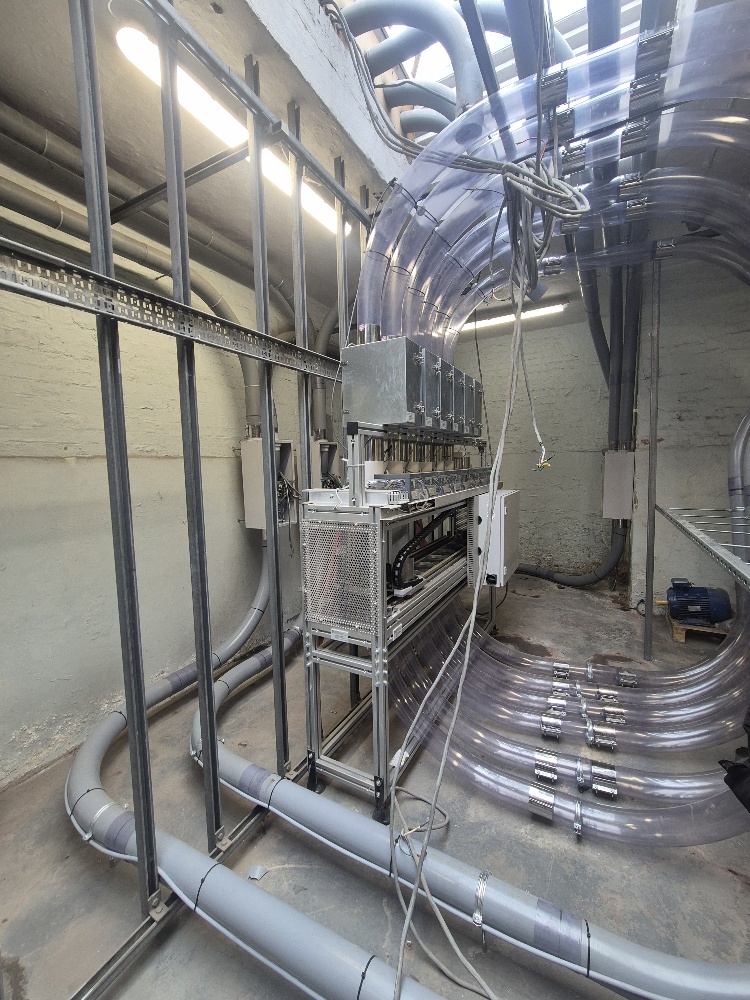
Pneumatic tube system lifecycle planning has become increasingly important for hospitals looking to maintain reliability, reduce maintenance costs and extend the life of critical infrastructure.
Every day, pneumatic tube systems transport blood samples, medications, patient records and other essential items between departments. As a result, clinical teams can work more efficiently and spend more time focusing on patient care.
However, like any infrastructure that operates continuously, pneumatic tube systems require ongoing maintenance and investment. Whilst the tube network itself can often last for decades, key components will eventually wear out and require replacement.
This is where a well-planned pneumatic tube system lifecycle programme becomes essential.
The Challenge of Ageing Infrastructure
Many hospital pneumatic tube systems have been operating reliably for years. However, stations, diverters, power packs, blowers and control equipment do not last forever.
Over time, hospitals may begin to experience:
- More frequent faults.
- Rising maintenance costs.
- Difficulty sourcing spare parts.
- Reduced system performance.
- Increased operational risk.
Furthermore, older equipment can become obsolete, making repairs more difficult and expensive.
For Estates and Facilities teams, the challenge is maintaining reliability whilst controlling costs and minimising disruption.
Why Pneumatic Tube System Lifecycle Upgrades Make Sense
A pneumatic tube system lifecycle upgrade focuses on replacing ageing equipment before it becomes a significant problem.
Rather than replacing an entire pneumatic tube system, hospitals can upgrade individual components that are approaching the end of their service life.
As a result, healthcare providers can improve reliability whilst protecting previous investments.
Benefits of Pneumatic Tube System Lifecycle Planning
Lifecycle upgrades can help hospitals achieve:
- Improved reliability.
- Reduced downtime.
- Lower maintenance costs.
- Better availability of spare parts.
- Extended system lifespan.
- Reduced operational risk.
Most importantly, hospitals can continue using their existing tube network whilst benefiting from modern equipment and improved performance.
To learn more about Aerocom’s Pneumatic Tube Systems solutions, visit the Pneumatic Tube Systems section of our website.
Bedford Hospital Pneumatic Tube System Lifecycle Project
A recent project completed by Aerocom at Bedford Hospital demonstrates the value of this approach.
Working closely with the hospital’s Estates team, Aerocom carried out a major pneumatic tube system lifecycle programme designed to improve reliability and supportability across the network.
Instead of replacing the entire system, the project focused on upgrading critical assets that had reached the end of their operational life.
More Than 100 Assets Upgraded
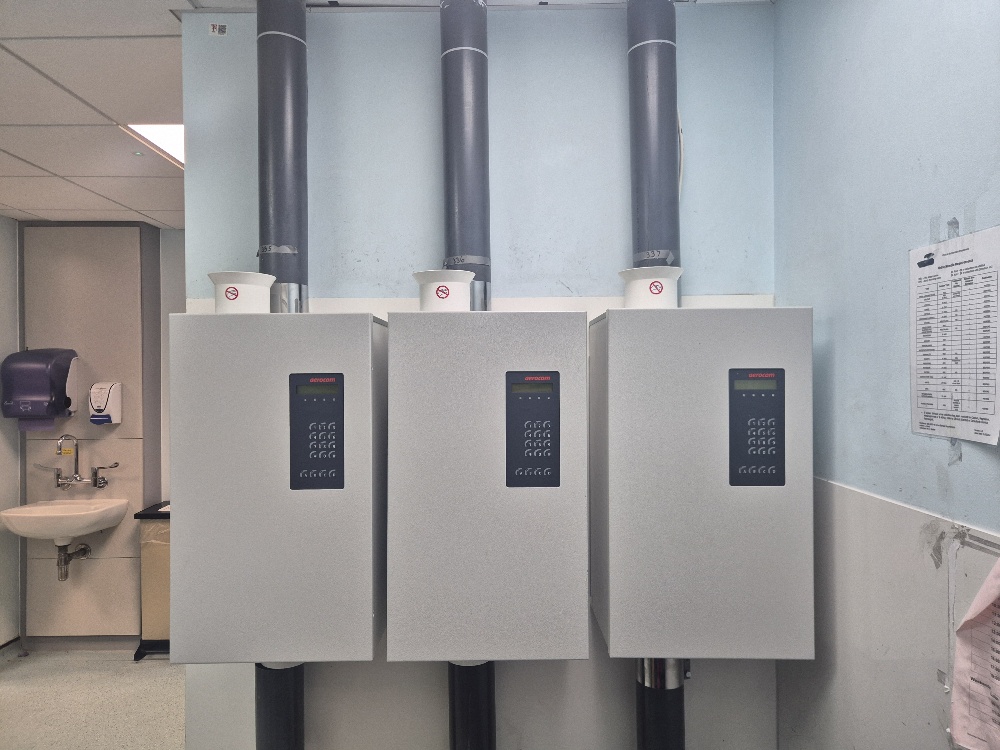
The Bedford Hospital project involved the replacement and upgrade of more than 100 key system assets, including:
- 46 pneumatic tube stations
- 31 diverters
- 14 power packs
- 5 blowers
- Associated control and communication equipment
The upgraded stations included Trend, EWS, OES and laboratory stations located throughout the hospital.
As a result, Bedford Hospital has improved system reliability whilst extending the life of its existing infrastructure.
Working Within a Live Hospital Environment
Hospital projects require careful planning.
Unlike many commercial facilities, hospitals operate around the clock. Therefore, infrastructure upgrades must be delivered with minimal disruption to clinical services.
Throughout the Bedford project, Aerocom worked closely with hospital staff to coordinate installation activities and maintain service continuity wherever possible.
Consequently, the upgrade programme was completed safely and efficiently whilst supporting the day-to-day operation of the hospital.
A Growing Trend Across Healthcare
The Bedford Hospital project is the fourth pneumatic tube system lifecycle programme completed by Aerocom in 2026.
This reflects a growing trend across the healthcare sector.
Many hospitals are choosing lifecycle upgrades as a practical alternative to complete system replacement. In many cases, the tube infrastructure remains in good condition, meaning targeted upgrades can deliver significant benefits at a lower cost.
Furthermore, lifecycle projects can be phased over time, reducing disruption and making investment easier to manage.
According to the NHS, maintaining reliable healthcare infrastructure remains a key priority for supporting patient services and operational efficiency.
Looking Ahead
The successful completion of the Bedford Hospital pneumatic tube system lifecycle project highlights the importance of proactive lifecycle planning.
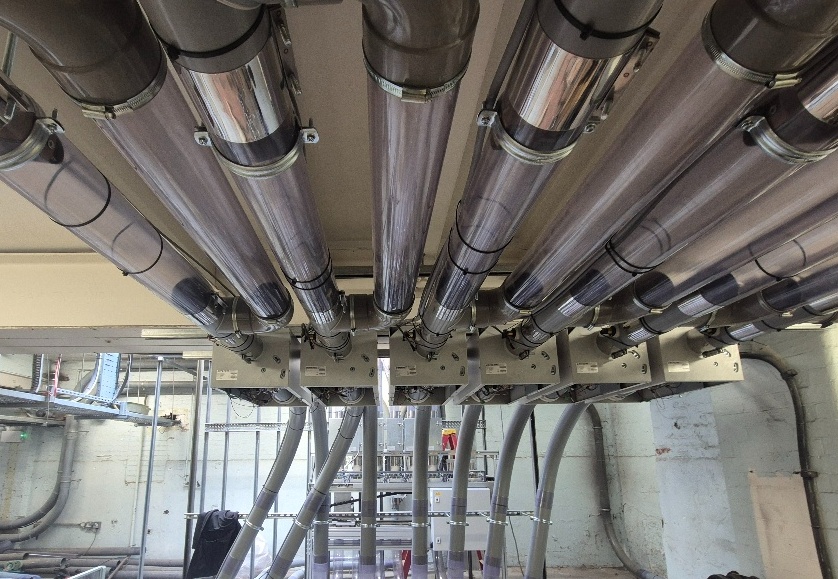 Together, Aerocom’s lifecycle projects completed this year have seen hundreds of ageing assets upgraded across healthcare facilities.
As a result, hospitals have improved reliability, reduced maintenance challenges and extended the lifespan of their systems.
Looking ahead, pneumatic tube system lifecycle planning is likely to play an increasingly important role in helping healthcare providers maintain critical infrastructure whilst managing budgets effectively.
For hospitals operating ageing pneumatic tube systems, a lifecycle assessment can identify opportunities to improve performance long before major failures occur.
Ultimately, taking a proactive approach helps reduce risk, improve system availability and protect existing investments for years to come.
If your pneumatic tube system is becoming increasingly difficult to maintain, Aerocom can help assess your installation and develop a tailored lifecycle strategy to support long-term reliability.
For further information, visit our Maintenance Services page or Contact Us to discuss your requirements.