There is significant pressure facing modern hospitals and clinical laboratories thanks to increasing patient demand, staff shortages and rising test volumes, which make workflows more challenging.
Laboratory diagnostics play a critical role in patient care, with the World Health Organization (WHO) highlighting the importance of strengthening diagnostic capacity globally. Around 70% of clinical decisions are informed by laboratory test results, placing enormous pressure on laboratories to deliver fast and accurate results.
As demand continues to rise, laboratories are expected to deliver accurate results faster than ever while maintaining strict quality standards. Finding efficiencies within existing workflows has therefore become a priority for many NHS trusts and healthcare providers.
Many laboratories still rely on manual processes at the pre-analytical stage, including unloading pneumatic tube carriers, unpacking samples, sorting test tubes, and logging specimens before analysis can begin.
These repetitive manual tasks consume valuable staff time, create bottlenecks during busy periods, and increase the risk of delay and human error.
Lab automation systems have become a valuable solution that streamline sample handling, improve workflows and allow skilled laboratory staff to focus on higher value clinical work. In this article, we look at the five signs that indicate a hospital may be ready to introduce laboratory automation.
1. Sample intake bottlenecks are becoming a daily challenge
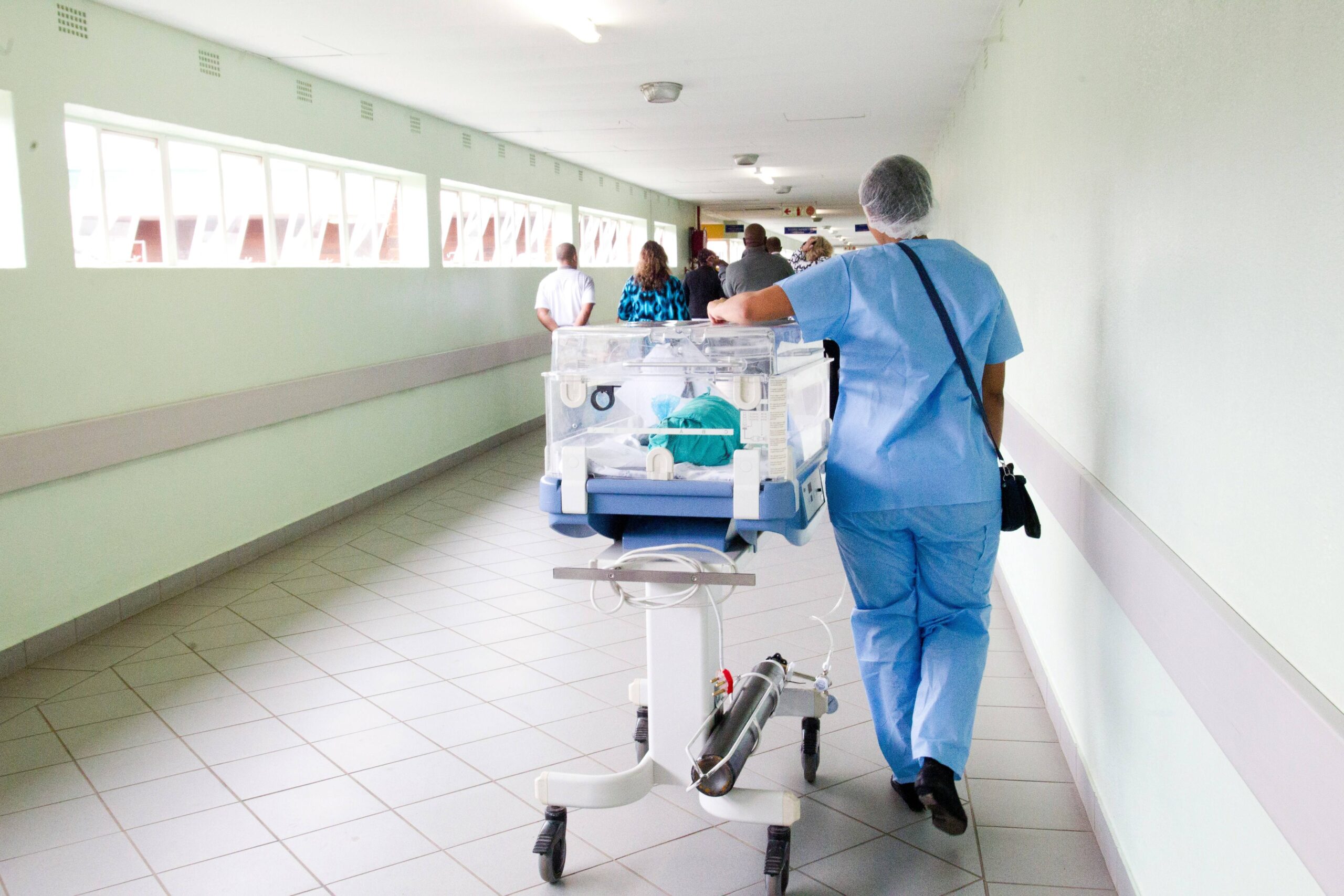
Many hospital laboratories receive large batches of samples at the same time, particularly from emergency departments, phlebotomy clinics, outpatient departments and wards across the whole of the hospital. Simultaneous arrivals can therefore overwhelm reception staff and create queues before the samples even reach the analyser.
This is why many laboratories follow a First In, First Out (FIFO) principle to ensure samples are processed in the order they arrive. Manual handling can unintentionally result in newer samples being processed ahead of older ones, creating unnecessary delays and inconsistencies.
Bottlenecks become more noticeable during morning collection rounds, shift changes and busy emergency periods, which is why automated intake systems become so important. They can automatically receive incoming samples and identify and sort specimens.
They also help to maintain FIFO processing and distribute workloads more evenly across the laboratory. Ultimately, this leads to reduced backlogs and a smoother workflow during peak demand. It can also reduce the pressure on laboratory staff and ensure faster progression to analysis.
2. Your laboratory staff are spending too much time on manual sample handling
Many biomedical scientists and laboratory technicians spend significant portions of their day performing repetitive manual tasks before testing can even begin. Common activities include twisting open pneumatic tube carriers, removing specimen tubes, sorting samples into different testing streams, and returning empty carriers.
These tasks are then repeated hundreds of times every day in busy hospitals, contributing to the physical impact of repetitive strain, fatigue, musculoskeletal injuries, and reduced job satisfaction.
Auto unloading stations automatically receive pneumatic tube carriers, open them and remove the specimens before returning empty carriers to the transport system. This removes repetitive manual handling, improves ergonomics and reduces injury risk. It also frees up highly trained staff to focus on testing, validation and clinical decision support rather than repetitive handling.
3. Turnaround times are starting to increase
Clinicians depend on rapid laboratory tests to make informed treatment decisions, so delayed results can lead to delayed diagnosis, slower treatment, and longer patient waiting times. This increases pressure across the wider hospital.
Turnaround times are often affected before samples even reach the analyser because of manual handling delays. Automated workflows reduce these delays by transferring samples directly from transport systems into automated processing.
Robotic handling systems are able to operate continuously, 24 hours a day, seven days a week, providing consistent performance without fatigue. This continuous processing helps to maintain predictable turnaround times even during busy periods. It can lead to an improved patient experience with better clinical outcomes, enhanced hospital efficiency, and a stronger organisational reputation.
4. Human errors and traceability issues are becoming more common
Increasing workloads naturally increase opportunities for human error, which can result in samples being placed in the wrong workflow or specimens have been mislabelled or incorrectly sorted. There can also be delays in logging samples and lost or misplaced specimens.
This can delay diagnosis and lead to repeat sampling, increased costs and reduced patient confidence. In some cases, errors can also increase the administrative burden as staff investigate discrepancies and repeat manual checks before testing can continue.
Traceability throughout the laboratory journey is vital, and this is supported by automation thanks to its ability to record sample movements automatically. It can maintain digital audit trails, reduce manual intervention, and support regulatory compliance and quality assurance. This means that automation is capable of reducing risk rather than replacing professional oversight.
 5. Highly skilled staff are being tied up with routine tasks
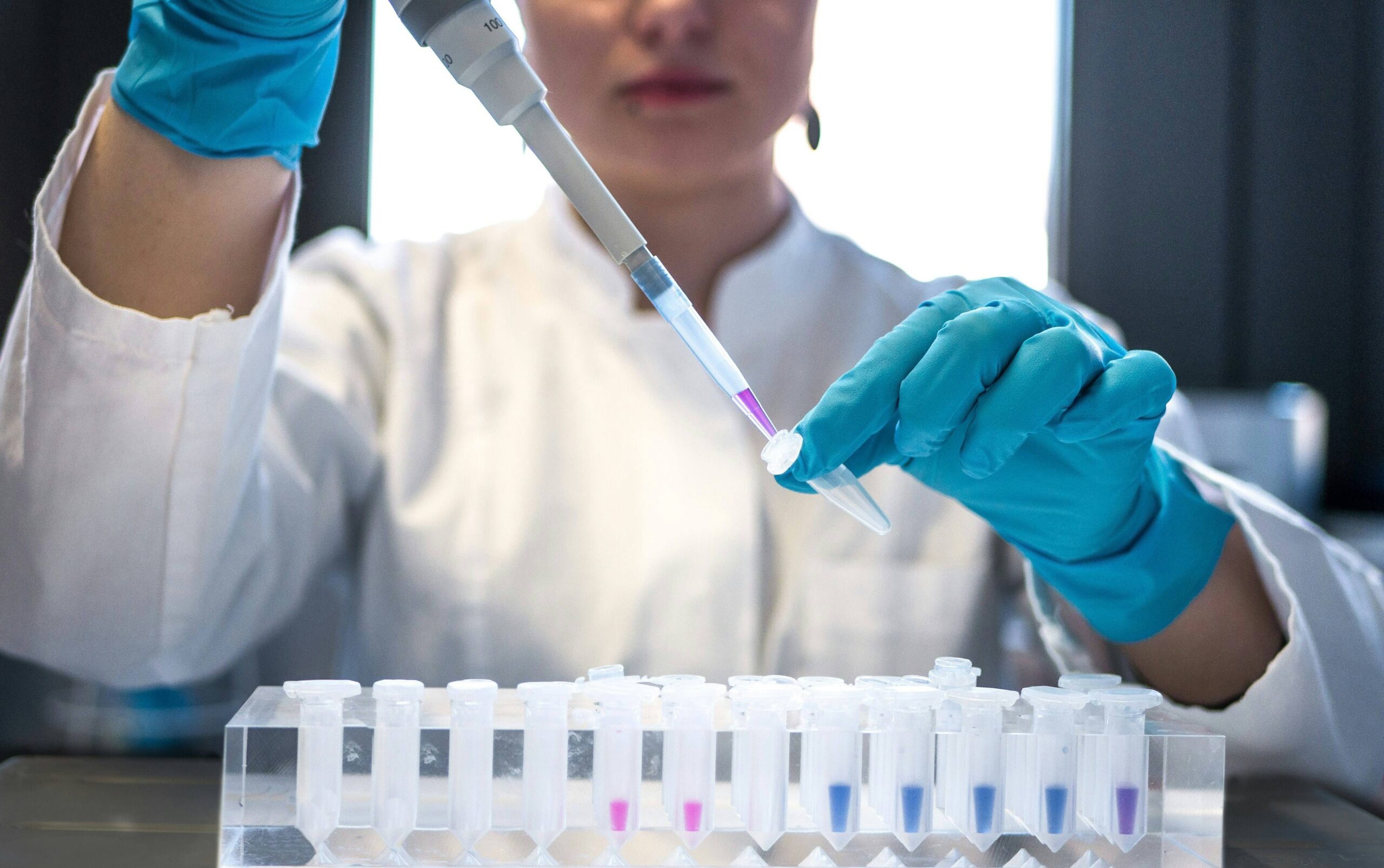 5. Highly skilled staff are being tied up with routine tasks
Biomedical scientists possess specialist scientific knowledge that should be focused on analysing results, quality assurance, and supporting clinical teams. Spending large portions of their working day sorting and moving samples is not the best use of these highly trained professionals. Workforce shortages also mean that the efficient use of skilled staff is even more important.
However, repetitive work can contribute to frustration, burnout and reduced job satisfaction, while also creating recruitment and retention challenges. Lab automation systems allow staff to spend more time on complex analysis, quality control, and troubleshooting, as well as supporting clinicians with diagnostic information.
This is because automation is designed to support laboratory teams, not replace them.
Growing sample volumes, increasing turnaround times, manual handling pressures, traceability concerns, and the inefficient use of skilled staff are all indicators that a laboratory’s current processes may be reaching their limits.
Modern lab automation systems can improve workflow efficiency, reduce repetitive manual handling, support staff wellbeing, and deliver faster and more consistent sample processing. If these challenges sound familiar, laboratory automation may no longer be a future aspiration, but a practical next step for improving laboratory performance.
Find out more
Now is the time to explore Aerocom’s Lab Automation Systems to find out how automation can improve workflow efficiency, staff wellbeing, and turnaround times. Or get in touch to find out how we can help automate your hospital.