A modern laboratory is an extremely advanced place, but also one that is now extremely busy. Labs are facing growing sample volumes and are being required to carry out complex analyses with significant staffing constraints which can often lead to them being overwhelmed. This is why automation is now proving to be such an important part of lab productivity, as it can enable precision, scalability and efficiency in ways that have never been seen before.
In this article, we take a look at the benefits of automation in labs and find out more about how it can help to improve productivity, as well as examining why so many labs are now being quick to adopt it.
What is laboratory automation?
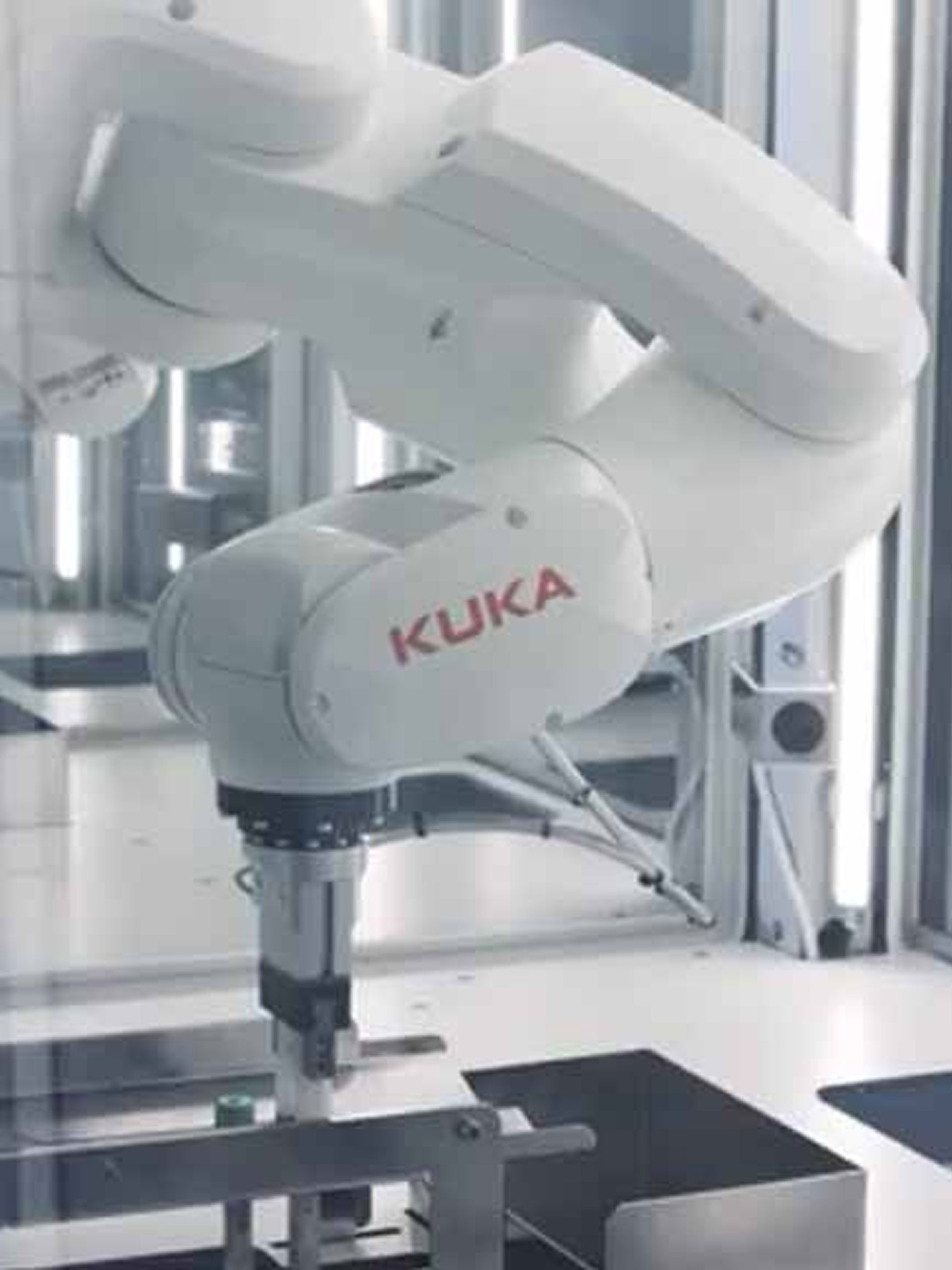
Laboratory automation can take a variety of different forms. It might use robotics equipment or software to help streamline some important lab processes. This can include things like automated sample preparation, data entry, plate handling, and liquid handling to name just a few of the functions.
It has proved to be incredibly important as it can take over many of the more repetitive or routine tasks and frees up staff to focus on some higher value tasks such as analysis and problem solving.
This is now becoming a growing trend across all kinds of clinical labs, research institutions, and quality control environments thanks to the increased productivity, the automation can achieve.
The impact of automation on lab productivity
One of the main benefits of automation in a lab setting is its ability to speed up some of the routine and repetitive tasks. Whether it is reducing the amount of manual pipetting that needs to be done, taking over sample labelling, or dealing with data entry, these automation tools have proved to be much quicker than the manual alternatives. This has helped to reduce the number of delays as well as cutting out many of the errors that might be caused by human fatigue.
Automation has also been found to be extremely effective in supporting staff efficiency. By taking over certain tasks, it has enabled the all-important scientists and lab staff to focus on things like data review and research rather than manual processing which ultimately leads to quicker and better results.
This speed has also enabled higher throughput as automation provides the ability to process hundreds or even thousands of samples in a shift – something that no human could possibly match. This type of technology is incredibly scalable, so as a lab grows, the automation can grow with it and support it in becoming bigger without the need for increased staffing space.
The boosting of lab efficiency
Automation has been found to be extremely efficient in the process of sample preparation. For example, automated liquid handling is used for precision and easier reproducibility. This has led to a reduction in delays that tend to be caused by a slower and less accurate manual preparation method.
Data management is one area where automation has proved to be key. Automated data capture and entry has proved to be a massive time saver and has created many extra hours for staff to spend on more important tasks. This automated approach also reduces the risk of any transcription errors and enables seamless integration with LIMS and EHR systems to create a more collaborative and efficient environment.
Quality control and compliance have also seen a boost from the use of automation, as this kind of equipment can help to provide consistency across every batch that is handled and dealt with. It also enables traceability, which can play a big part in adhering to any regulatory standards.
There is no doubt that automation offers some significant time savings where staff can shift their focus away from manual processing to much higher-level work. This can reduce the turnaround times in most lab processes, which not only improves patient satisfaction and the reputation of the laboratory but can ultimately also lead to better outcomes for the patients themselves.
Advantages of automation for lab staff and management
Many people become fearful for their jobs when they think about automation, but in a lab setting it has been found to actually help enhance staff satisfaction and retention. This is because carrying out repetitive tasks can be draining and lack any sense of fulfilment. By handing this over to automated systems, it is actually possible to improve morale in a lab and reduce staff turnover.
Once these repetitive tasks have been taken out of the hands of staff members, they also have the chance to focus on interpreting results, troubleshooting and method improvement. This can also provide the opportunity for staff to upskill and take their knowledge and abilities to the next level. It also means there can be better resource allocation as staff focus on more important analysis, equipment, maintenance or customer service, where their skills are used in a more effective way.
Safety is another factor that has been improved for staff through the use of automation. This is because their exposure to hazardous chemicals and repetitive strain injuries has been reduced by the implementation of technology.
The integration of automation
Bringing automated tools into a lab environment can be costly, but it is important to think of it as a long-term investment. Automation can provide some significant cost savings and so is likely to pay for itself very quickly. It is important that the right equipment is selected, so you should think about how automation can be tailored to the specific needs and workflow of each laboratory. Staff need to be trained with the equipment to ensure that they are comfortable and proficient, and it will need regular calibration and maintenance to keep it working correctly.
Most people understand that automation can provide increased levels of efficiency, but it is important to remember that it can go far beyond this and will instead transform the whole lab experience. By enabling staff to focus on the things that really matter, such as patient care, research breakthroughs, and quality outcomes, automation can transform long-term lab productivity.
Contact Us
Whether you’re looking to save time with data entry or improve efficiency with sample preparation, our lab automation solutions can help you streamline operations, reduce errors, and allow your team to focus on other areas. Contact us to find the right lab automation solutions for your needs.