Automated guided vehicles (AGVs) are now becoming a popular addition in many manufacturing and logistics businesses. This is proving to be a fantastic solution when it comes to transporting raw materials, components and finished goods throughout the facility.
They have been found to improve safety, productivity, and are often a more cost-effective option than you might think. In this article, we look at the different types of AGV that are on offer to help you decide which one would be right for your business.
What is an AGV?
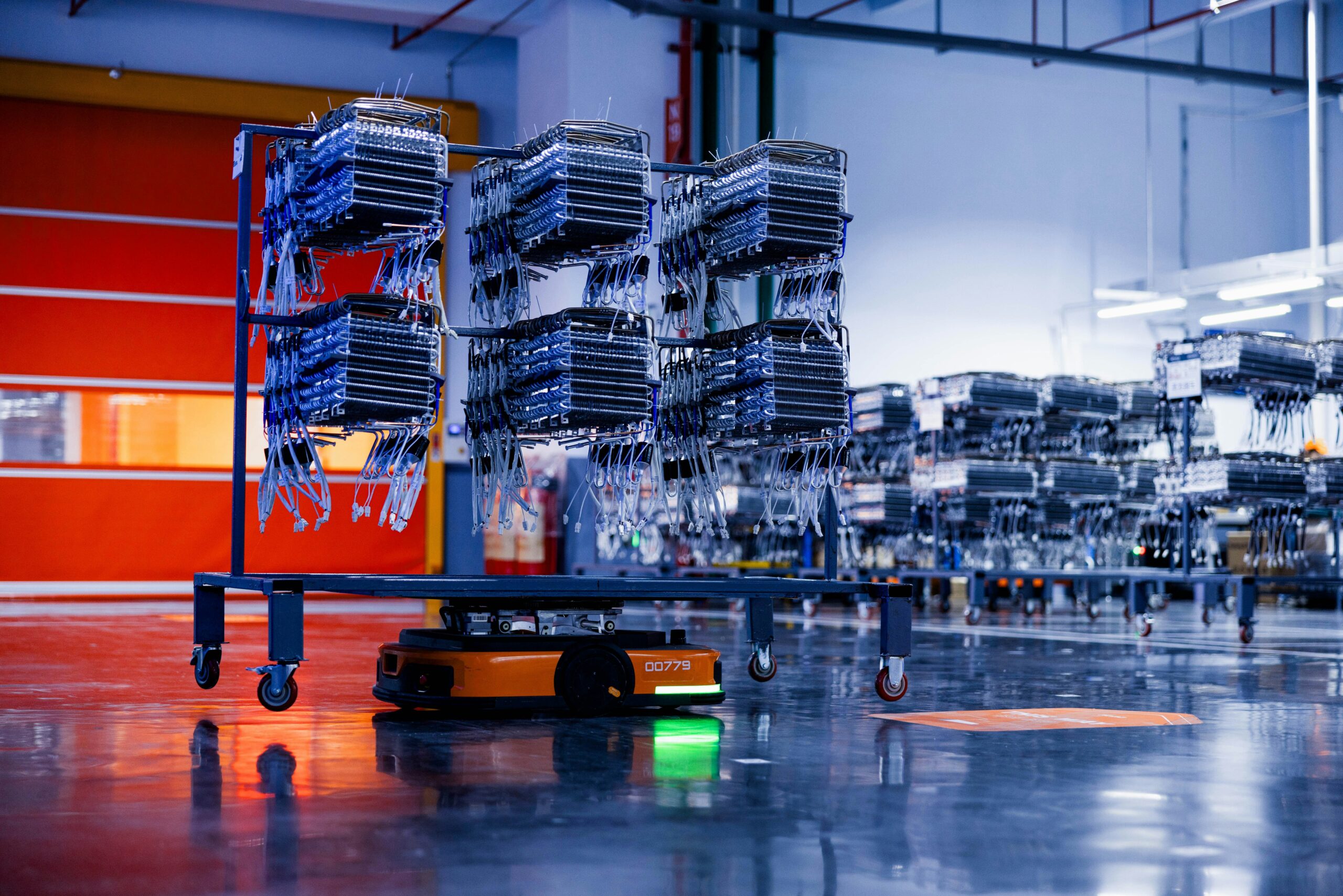
An AGV is an autonomous driverless vehicle that will follow a planned route throughout a manufacturing or logistics setting. It does this through different types of guiding technology, including magnetic strips, marked lines, tracks, lasers, cameras and GPS. AGVs are powered by batteries and come equipped with fantastic safety protection and auxiliary mechanisms.
The main function of an AGV is to transport materials such as products, pallets and boxes, throughout a business. Some types are even capable of lifting and piling loads over a long distance and can be used inside factories and warehouses as well as outside.
An AGV system can be fully programmed to deal with load handling, transport, feed order and safety meaning that it continues to work throughout the day and night without the need for assistance.
There are many different types of AGVs available, so it is important to look at the way in which you plan to use it to pick the right one for your business.
Understand the technology available
AGVs use guiding technologies to navigate your facility floor. You need to look at which navigation systems will work best within your business, as choosing the right navigation technology is essential in influencing your AGV’s system performance.
You therefore need to consider whether it would be better following magnetic strips or using visual navigation or GPS tracking. The type of navigation system that you choose will also affect its overall cost and applications.
What tasks will it perform?
It is important to think carefully about the tasks you want your AGV to handle before you go about choosing one. The four main types of AGVs are automated guided carts, towing AGVs, automated forklifts, and unit load AGVs.
Automated carts have a low-profile chassis that engage carts, shelves and trolleys from beneath. They have a range of different navigation technologies available and tend to be low cost, easy to install, flexible and are most suitable for automating non-value-adding tasks.
A towing AGV will tow multiple carts and have greater throughput than the guided carts. They can pull loads weighing several tons at a relatively low cost, which reduces the risks of using heavy and large equipment.
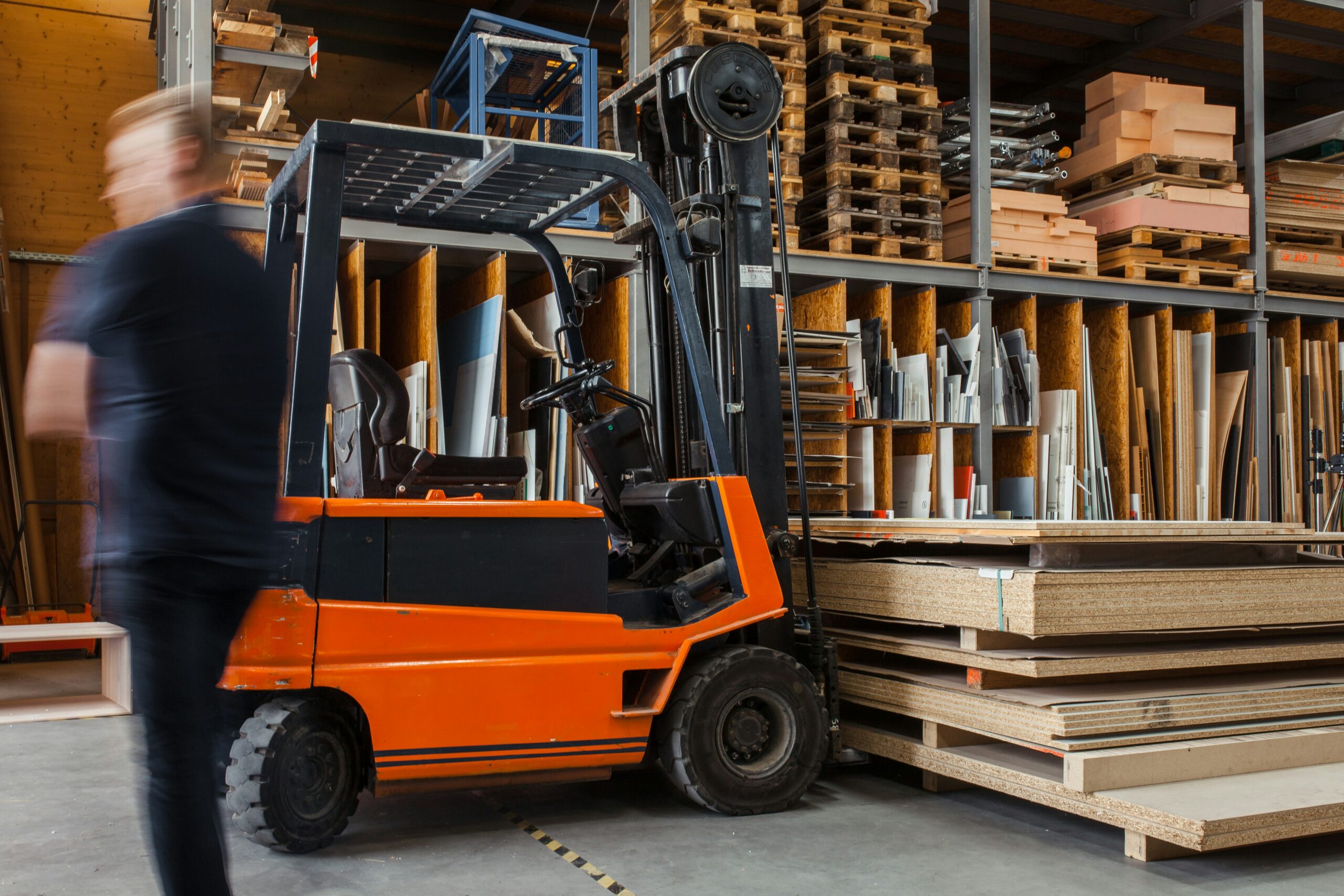
Automated forklifts retrieve stock, place materials, and stack pallets and are ideal for supplying materials to computerised machines and moving finished goods from the production line to storage. These become very economical as they can replace forklift operators who require not only training but also certification.
A unit load AGV will handle individual items or a single load such as a pallet or tote with multiple items. They can navigate quickly and safely in warehouses and production facilities and are ideal for delivering packages that might be hazardous or heavy for manual labour.
Return on investment
Your ROI will depend on which AGV you buy, but it can increase productivity. By being flexible and offering robotics solutions it can accelerate the growth of your business. It is also able to free up employees to do more valuable tasks making your team more productive.
Choosing the right AGV for your business is essential as they can deal with many different types of tasks. You need to understand what they are capable of offering and how you intend to use them to make the best choice.
Discover the right AGV solution for your business
Discover the right AGV solution for your business and boost efficiency and enhance safety. Contact a member of our team today to discuss your requirements.